
Never Paint a Room Until You Know This
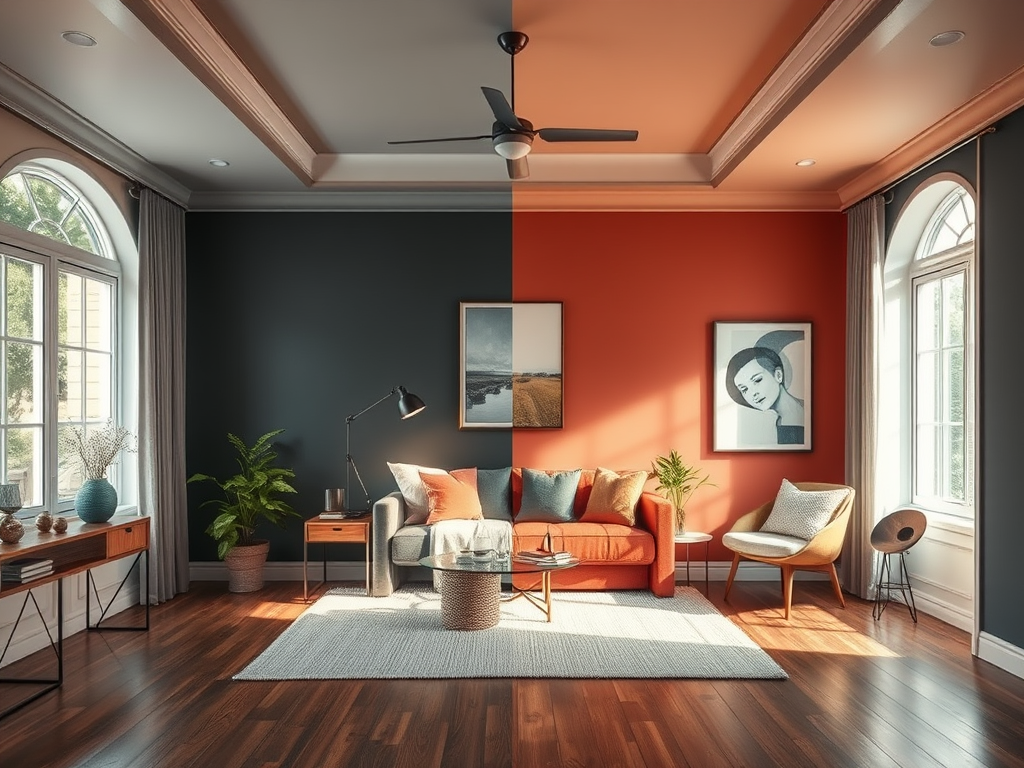
When you are looking to transform a space, never underestimate the power of paint. Paint should be the canvas upon which you create your personal design. The vibe created by paint depends not just on the color and finish but also on the arrangement of colors, angles, and lighting. While paint won’t physically stretch a room or raise your ceilings, it can greatly influence the perception of space and light. Whether you’re designing a cozy retreat or a vibrant, energetic area, experimenting with paint is essential for creating the perfect mood in every room of your home. Read How Color Affects Mood and Perception of Space in Psychology Today.
The Power of Light and Dark Colors
One fundamental principle to keep in mind when choosing paint colors is the effect light and dark shades have on the perception of space. Light colors reflect light, making a room feel larger and more open, while dark colors absorb light, creating a sense of intimacy and coziness. For more information on how lighting affects color, be sure to check out Using Lighting Effectively. Understanding more about colors can help you achieve the exact look and feel you desire for your space. If you want to see how these colors can change a room, check out online resources like Sherwin Williams Color Visualizer or Behr’s Paint Your Place too. These online tools allow you to upload photos of your space to experiment with paint colors and create different results.
| How to “Enlarge” a Space | How to “Cozy” a Room |
|---|---|
| Back Wall and Ceiling Painted: Painting the back wall and ceiling the same color (while the remaining walls are a neutral color) can visually expand the space, creating the illusion of height and width. White Walls: White creates a minimalist, clean feeling and can make any room feel more spacious and airy. Pair with minimalistic furniture to maximize the effect. Bottom Two Feet: Along Each Wall: Paint the bottom two feet of the wall a different color than the remaining wall space. This technique elongates the space, especially when paired with lighter tones for the rest of the wall space. All Walls Colored: Painting all the walls the same light color can stretch the visual boundaries of a room, making it feel larger. | Ceiling Painted: Darker shades on the ceiling can lower the perceived height of a room, making it feel more intimate and cozy. Back Wall Color: Dark shades on the back wall can shorten the perceived depth of a room. All Walls, including the Ceiling, Painted in Darker Shades: This technique creates a compact, cozier feel, ideal for large, open spaces where you want to establish a sense of intimacy. Pair with cozy furnishings for the complete effect. |
For a very cool look on painting techniques and perceptions, check out: https://www.facebook.com/share/r/1BinXTbBHi/?mibextid=wwXIfr
When to Use Specific Techniques
- Shorten a Room: Perfect for hallways, bedrooms or living rooms where you want to create a more intimate atmosphere or direct viewers in a specific direction.
Best colors: Deep blues, rich greens, or darker grays. - Enlarge a Room: To make a room feel more open, light colors reflect more light and create depth. Best for small bedrooms or narrow living rooms that feel confined or cramped. Also carefully consider paint finishes to reinforce the look you are trying to achieve.
Best colors: Off-white, pale blues, soft pastels. - Lower the Ceiling: For rooms with high ceilings, such as large dining rooms or great rooms, painting the ceiling a darker shade can help lower its visual height and make the space feel more grounded and intimate.
Best colors: Gray, navy blue, or other dark tones. - Narrow a Room: To make wide hallways or large rooms feel more focused, paint the darker tones on longer walls to narrow the space.
Best colors: Dark greens, deep reds, or earth tones. - Elongate a Room: In small, square rooms, such as offices or libraries, painting the shorter walls a darker color while keeping the longer walls lighter shades will make a room feel longer and less boxy.
Best colors: Light neutrals for long walls and jewel tones for shorter ones. - Shorten High Walls: Rooms with overwhelming height, can be visually balanced by painting the lower portion of the walls a darker color. This technique can add structure and make the space feel more grounded.
Best colors: Neutral tones like beige and warm, deep colors for the base. - Broaden a Room: If you have a narrow space, such as a tight kitchen or dining room, painting the two shorter walls a darker color while leaving the longer walls a lighter shade can make the room feel more open and less cramped.
Best colors: Light shades such as pale gray or icy blue for long walls, dark teals or gray for shorter walls. - Contracting a Space: For large, open spaces that feel too expansive, use dark shades on both the walls and ceiling to create a more unified, intimate feel. Ideal for large areas or cozy spaces like reading nooks or offices.
Best colors: Moody tones like dark brown, black, or dark green.
Highlight Areas in a Room
Another aspect that can change a room are featured areas in rooms. To emphasize specific features in a room, such as architectural details, fireplaces, or built-in shelves, paint one wall or area in a bold, contrasting color while keeping the rest neutral. This draws attention to the focal point and adds character to your space.
Best Colors for Accent Walls: Bright, bold colors like yellow, red, or turquoise work well to highlight areas in a room.
The right color combined with technique can completely transform your space, creating the perfect balance of comfort and style. However, the way you apply that color plays a crucial role in shaping the overall look. So, what’s your next design adventure?
Additional Resources
Changing the perception of a room can be a transformative process, but it’s not always easy to envision the results or determine if it’s the right choice for your space. With so many techniques to consider, it can feel overwhelming to know where to start and how to execute them effectively. To help you navigate the process, here are some additional resources that provide detailed explanations, step-by-step guides, and inspiring examples to help you in making the best decision for your home.
Crafted by You, with Help from Maria
Additionally, be sure to check out the articles Paint Your Path and Ready to Pick Your Color to help you choose the perfect paint, finish and tools for your project.




Leave a Reply